
How to Use Numbered Puzzle Backings for Stress-Free Daily Sorting
Use the numbers on the back to group the pieces from the box just opened and to spot a piece that does not belong with that batch. Stress-free daily sorting stays smaller because only the date's box is poured out, 42 pieces at a time, across 24 boxes and 1008 pieces. The listing says the backs are numbered for easy sorting and does not publish a legend for what each number means.
Read the number on the back before the picture
Numbered puzzle backings are a sorting tool, not a second picture. Flip a piece, note the number, and keep pieces with the same handling together while the batch is on the table. The face of the piece still shows part of the Santa Claus sleigh. The back is there so a stray can be returned to a group instead of being forced into the wrong sky or runner. Daily sorting gets messy when pieces from several dates share one pile. The back number is the check before that happens.
The listing does not say that a back number equals the calendar date, a row, or a column. It does not print a key. Treat the mark as a label for grouping and for noticing an odd piece in today's 42, not as a map the page never explains. The boxes themselves are numbered, and the instruction that is explicit is to open the box that matches the date. Those two systems can be used together without pretending they are the same code. Box number chooses the batch. Back number helps sort inside it and helps send a visitor piece home.
Sort a single box and then stop

Photo by Johan Pérez on Pexels
Stress-free sorting starts with a closed lid on every box except today's. Pour out that one batch. Turn the pieces, glance at the backs, and only then study the Santa Claus sleigh on the front. Forty-two pieces is enough variety for a sitting and few enough that an odd back stands out. If every back in the pile shares the look of that batch, the sort can move to edges, color, and the 1:1 poster. The poster is the same-scale reference for the scene. It is not a substitute for the numbers, and the numbers are not a substitute for the poster.
Opening a second box "just to find a match" is how a short sort becomes a bowl of mixed dates. The snug laser-cut fit matters later, when the finished sheet can be lifted without falling apart. During the month, the useful discipline is smaller: one box, one group of backs, then stop. Color can wait until the backs agree. The number sorts the inventory, and the picture sort comes second.
Put a mixed pile back into date order
A mixed pile is a sorting problem, not a ruined countdown. Spread the pieces back-up and group them by the printed numbers before anyone hunts for sleigh shapes. The listing does not say how many different numbers appear or whether each box shares one number, so the groups are whatever the backs actually show. Once groups are separate, return any group that was not poured from today's box to the numbered box it came from, if that box is still known. If the source box is not known, park that group aside, still separated by back number, instead of forcing it into today's scene.
Do not open the remaining boxes to audition every piece. That repeats the mix at a larger scale. The board is thick cardboard with non-toxic paint, pleasant to handle and still loose at the edges until December 24. Keep sorted groups flat, in a small tray or back in their boxes. The finished size of 20.5 by 29.6 inches is the whole sleigh, not a reason to lay out every piece in week one. Stress-free, in the plain sense used here, means fewer loose pieces crossing dates. It is not a clinical claim about stress, sleep, or mood. The listed $18.99 covers the set and the poster, not a sorting tray.
What each mark is for
| Mark | Where it sits | Use it to | Do not assume | | --- | --- | --- | --- | | Back number | On each piece | Group and spot strays | A printed legend or grid | | Box number | On the 24 boxes | Match the date | That it equals the back code | | Poster | 1:1 reference sheet | Place the sleigh image | That it replaces sorting | | Daily batch | 42 pieces | Keep the pile small | A timed speed target | | Snug fit | Laser-cut edges | Lift only when finished | That a partial sheet locks |
A calm order for daily sorting
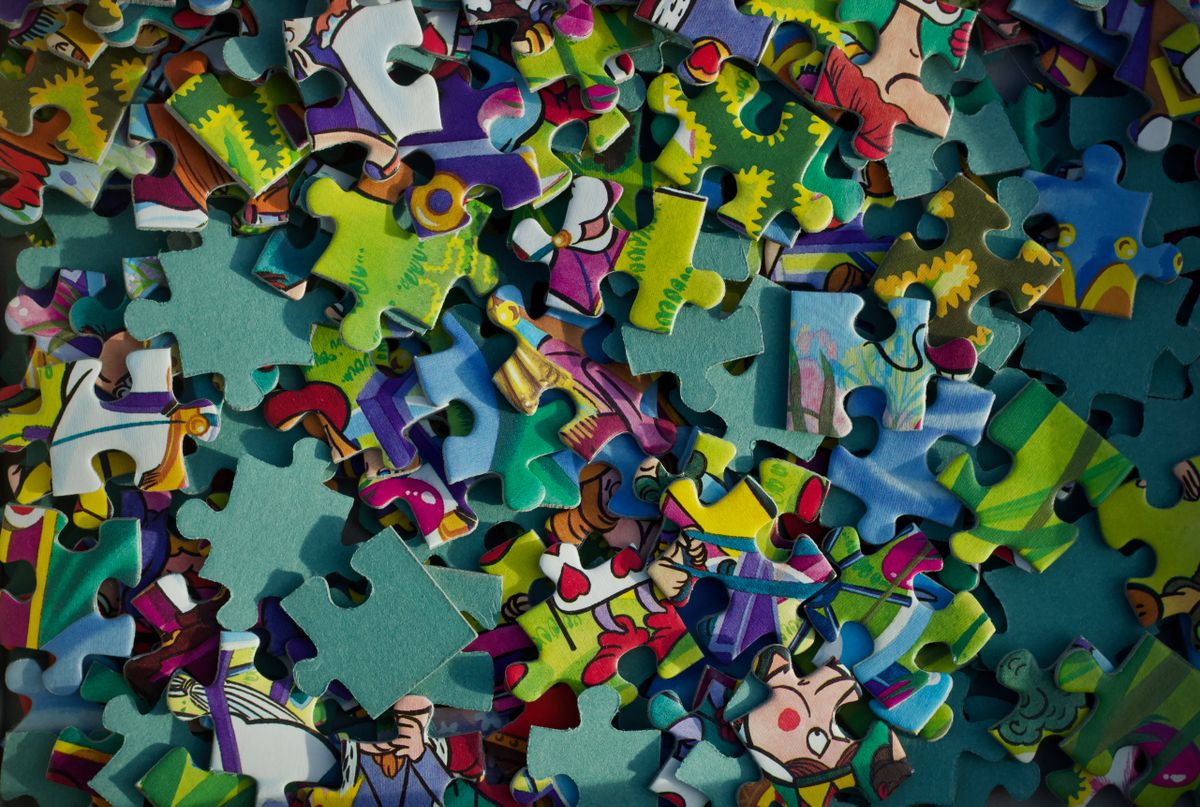
Photo by Peter Dyllong on Pexels
- Open only the numbered box that matches the date.
- Turn the 42 pieces and read the numbers on the back.
- Set aside any back that does not match the rest of the batch.
- Use the 1:1 poster for the Santa Claus sleigh, not for inventory.
- Return known strays to their boxes instead of opening all 24.
- Park unknown groups by back number until their date is clear.
- Skip any mood or health claim the listing does not make.
Sorting questions the backs can and cannot answer
Do the back numbers match the days of December?
The listing does not say that. It says each piece is numbered on the back for easy sorting, while the boxes are numbered so the box for the date can be opened on that day.
What if two boxes were opened by mistake?
Flip the pieces and group them by the numbers on the back before trying to build the scene. Return any group whose box is known, and keep unknown groups separate rather than pouring out the other boxes.
Can the poster replace the numbered backs?
No. The 1:1 poster shows the Santa Claus sleigh at finished scale, which helps placement. The backs are the sorting marks, and the poster does not identify which closed box a stray came from.
Does numbered sorting make the puzzle stress-free in a medical sense?
The page does not say that. Stress-free, as used here, only means a 42-piece daily pile with a way to group strays, across 1008 pieces in 24 boxes.
Related reading
A full countdown method, hobbyist questions, and storage for another year extend this sorting habit.
- tips for making the most of a jigsaw countdown
- questions hobbyists ask about countdown puzzles
- storing a family advent puzzle for another year
What to do next
On the next date, open one box and sort those 42 pieces by the numbers on the back before studying the Santa Claus sleigh. Keep the 1:1 poster for placement only. If a mix has already happened, group the backs first and put known groups back in their numbered boxes. Do not invent a grid the listing never prints. Leave later boxes closed, and treat the snug fit as a property of the finished 20.5 by 29.6 inch sheet, not of today's loose pile.
Cover photo by Tara Winstead on Pexels.