Why Laser-Cut Precision Matters: The Craftsmanship Behind Snug Fit Jigsaw Puzzles
Laser-cut precision matters on this jigsaw because the listing ties the cut to a snug fit, so the finished puzzle can be lifted without falling apart. That is the craftsmanship a puzzler can judge, not a factory tolerance the listing never prints. Thick cardboard, numbered backs, and a 1:1 poster sit behind the same set.
A snug edge is the part of the cut a puzzler can feel
The description says the pieces are laser-cut for a snug fit. It does not publish a kerf width, a gap in millimeters, or a comparison against a die-cut brand. Precision, in this listing, is that snug result rather than a number a buyer can audit. Anyone who wants a tolerance chart will not find one here, and inventing one would misstate the product. What can be said is simpler. The cut is meant to hold neighboring pieces together tightly enough that a completed sheet can be picked up.
Loose pieces are a different experience from a locked sheet. During the month, 42 pieces arrive each day from December 1 to December 24, packed in 24 numbered boxes that add up to 1008 pieces. Those daily pieces still have to be placed one at a time. A snug fit does not assemble the sleigh by itself, and it does not make a wrong piece look right. It changes how the correct pieces sit once they are joined, and how the whole image behaves after the last box. Puzzles with a sloppy interlock often need tape before they can move. This listing claims the finished sheet can be lifted without falling apart, which is the practical test of the cut.
Why that fit matters once the sleigh can be lifted
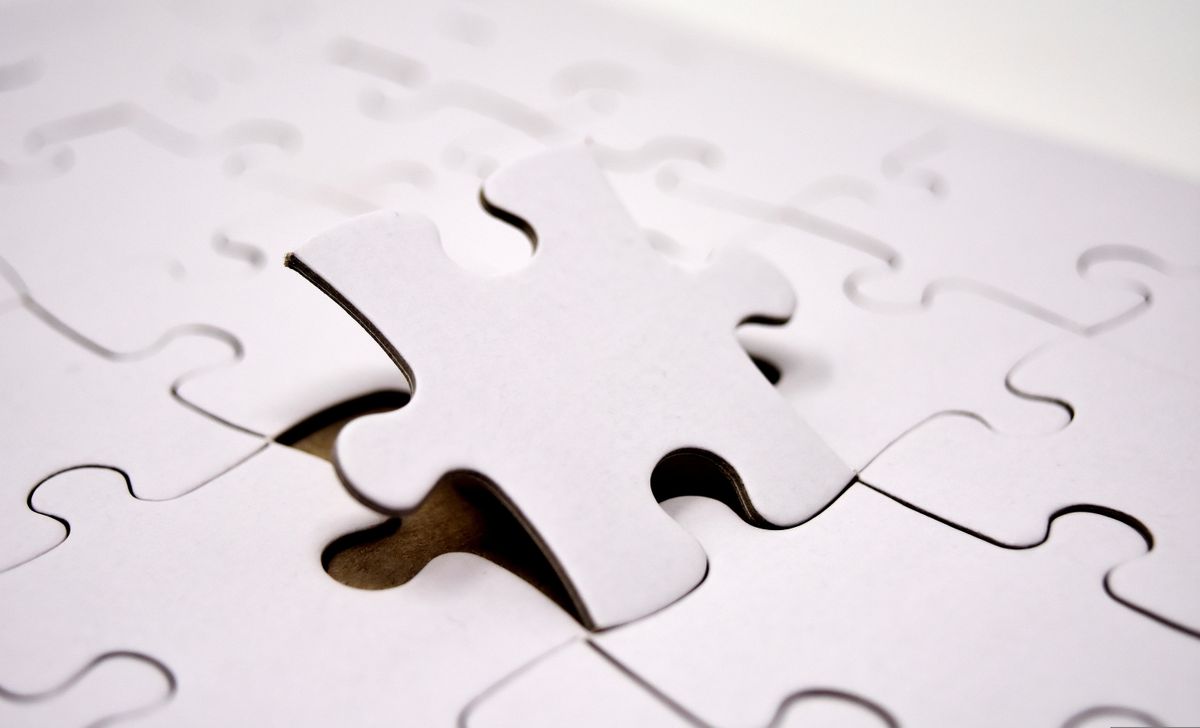
Photo by Alexas Fotos on Pexels
The lift claim is easy to overread. The listing attaches it to the finished puzzle, not to a partial build on day six or day twelve. A half-done Santa Claus sleigh scene still has open edges. Those edges are not a locked frame, and flexing them is a good way to pop tabs even when the cut is snug. Craftsmanship in daily use looks quieter. Pieces stay where they were placed overnight. The sheet does not shed a corner when someone bumps the board. The final lift is a property of the completed 20.5 by 29.6 inch image.
That size is large enough that a lift should be planned, not casual. Two hands under a thick sheet, kept flat, is the sensible reading of "lifted without falling apart." The listing does not say the puzzle can be rolled, folded, or carried vertically across a house. Thick cardboard helps the sheet resist flopping compared with a thin board, but thickness is not a hinge. Non-toxic paint is the surface finish named for the pieces. It is not a coating described as waterproof, and a snug cut does not protect the image from a spill.
Craftsmanship the listing shows, and what it leaves out
Other parts of the set support the build without being the laser cut. Each piece is numbered on the back, which helps sort the day's 42 pieces and keep later boxes closed. A 1:1 scale reference poster shows the sleigh at the same scale as the puzzle, so edge shapes can be checked against the picture rather than guessed. Those aids are craft in the sense that they respect how a countdown is actually worked. They are not a substitute for the interlock. A clear poster and a loose fit would still leave a fragile sheet.
What the listing leaves out matters too. The price is listed at $18.99 for the set. A frame is suggested for holiday decor once the scene is complete, and no frame is included. Buyers comparing jigsaw puzzles can treat "laser-cut" as meaningful only when it is tied to a result they can see, which here is the snug fit and the finished lift. If another box says precision and never says what that does, this listing is more specific, even though it still refuses to quote a tolerance.
What the cut claim does and does not cover
| Claim | What it supports | What it does not | When it applies | | --- | --- | --- | --- | | Laser-cut | A snug interlock | A printed tolerance | The pieces as cut | | Snug fit | Pieces stay joined | Self-assembly | After correct placement | | Can be lifted | Finished sheet holds | Rolling or folding | Only when complete | | Thick cardboard | A sturdier board | Waterproof paint | The whole puzzle | | Numbered backs | Sorting 42 pieces | The edge quality | Each day's box |
How to judge the snug fit without a lab

Photo by Tara Winstead on Pexels
- Read laser-cut as a snug fit, not as a hidden millimeter spec.
- Save the lift test for the finished 1008-piece sheet.
- Keep partial builds flat, since open edges are not locked.
- Use numbered backs to sort 42 pieces, not to judge the cut.
- Lay the 1:1 poster flat as a same-scale reference.
- Treat non-toxic paint as a materials note, not a sealant.
- Price a frame separately from the listed $18.99.
Questions about laser-cut puzzle craftsmanship
Does the listing publish a cutting tolerance?
No. Precision is described through the result, a laser-cut snug fit, rather than through a gap or a kerf number. A buyer should not invent a tolerance the page never gives.
Can the puzzle be lifted on day 10?
The lift note is for the finished puzzle, not for a partial sleigh. Open edges on an unfinished sheet can still separate if the board is flexed. Wait until all 24 boxes are in the scene.
Do numbered backs prove the pieces were laser-cut?
Numbering is a sorting aid printed on the back of each piece. The laser-cut claim is separate and is about the snug fit of the edges. Both can be true without one proving the other.
Is thick cardboard the same thing as a snug fit?
Thickness is the board the pieces are made from, and the snug fit is how the cut edges lock. A thick piece can still fit loosely while a thin piece fits tightly, and this listing states both thick cardboard and a laser-cut snug fit.
Related reading
Adult quality standards, dry mounting a snug sheet, and a day-by-day build all connect to this cut.
- standards adult puzzlers use when comparing countdown puzzles
- dry mounting a snug-fit puzzle without glue
- tips for working a jigsaw countdown from the first box onward
What to do next
Judge the craft by the stated result: a laser-cut snug fit on thick cardboard, with the lift reserved for the finished sleigh. Keep each day's 42 pieces on a flat board, use the numbered backs and the 1:1 poster, and do not expect a tolerance chart at $18.99. Plan any move of the sheet for after December 24, when the scene is complete.
Cover photo by wr heustis on Pexels.