
Puzzle Preservation FAQ: Glue vs. Puzzle Tape vs. Peel-and-Stick Sheets
Puzzle preservation comes down to where an adhesive goes, or whether any adhesive is used at all. Front glue, puzzle tape on the back, and peel-and-stick sheets each lock a finished jigsaw in a different way, with a different chance of undoing the work. The listing confirms thick cardboard and a snug laser-cut fit, and it does not choose among those methods.
Glue, tape, and sheets as three different bets
Front glue is a coating on the image. It is the most common permanent bet. The picture stiffens into one sheet, the front may change sheen depending on the product, and taking the puzzle apart later is usually unrealistic. The coating has to stay thin. Thick cardboard and a flooded face are a warp risk in ordinary practice. No glue brand or dry time appears in the listing, so those instructions have to come from the bottle in hand. Glass should wait until the face will not stick to it.
Puzzle tape is applied to the back, across seams, leaving the image untouched. Coverage is only as good as the strips. A missed seam can open when the sheet is lifted. Some tapes are sold as easier to remove than glue, and some are not. The package has to say which, because this puzzle listing does not. Peel-and-stick sheets are the full-back version of the same idea: one adhesive sheet instead of many strips. Alignment is the risk. A crooked sheet is difficult to redo, and a sheet cut for a smaller puzzle will not cover a 20.5 by 29.6 inch finish. The listing does not include sheets and does not say that a generic 1000-piece sheet matches this size. Read the sheet label against the measured scene.
How thick cardboard and a snug cut behave

Photo by Kampus Production on Pexels
The Puzzle Advent Calendar listing states thick cardboard called eco-friendly, non-toxic paint, and a laser-cut snug fit so the finished puzzle can be lifted without falling apart. Preservation starts from those facts. The snug cut already does part of what tape is asked to do during a short, careful move. It does not replace a long-term mount if the sheet will be bumped, shipped, or hung loose in a frame that is too big. Lift on a board either way.
Thick board takes adhesive on its own terms. Press tape or a stick sheet firmly over seams rather than assuming a light touch grabs. Do not soak the face with glue in the hope that more liquid means more strength. The paint being non-toxic is not a statement that every adhesive will stay clear or that the surface will not spot. There is no spare piece specified for a destructive test. If compatibility is uncertain, a dry frame is the option that avoids the question. Numbers on the back helped the daily sort of 42 pieces. Tape covers some of those numbers. A full stick sheet covers essentially all of them. That loss matters only if someone hoped to sort the puzzle again.
Choosing preservation before the scene is done
The right time to choose is before December 24, not while a coating is already wet. A household that might rebuild the Santa Claus sleigh scene another year should lean toward no adhesive, or toward a tape only if that tape's package says it can come off cardboard. A household that wants one framed piece of holiday decor can use glue, tape, or sheets, as long as the frame opening still matches 20.5 by 29.6 inches in the true orientation. Adhesive does not change the inches.
The 1008 pieces arrived in 24 numbered boxes with a 1:1 poster. None of those parts is a preservation kit. The poster should stay out of the adhesive job and remain a reference or a stored guide. The listed price is $18.99 for the puzzle alone. Pick the bet that matches the next year: rebuild, store flat, or hang. Then follow the adhesive maker if an adhesive is chosen, keep the sheet flat, and support every lift. That is the whole preservation decision this listing leaves open on purpose.
Adhesive styles for a finished jigsaw
| Method | Where it sits | Numbers on the back | Undo later | | --- | --- | --- | --- | | Front glue | On the image | Still visible | Usually not practical | | Puzzle tape | Across back seams | Covered in strips | Depends on that tape | | Peel-and-stick sheets | Full back | Covered across the sheet | Hard to redo if crooked | | Dry glass press | No adhesive | Still visible | Yes, over a table | | Nothing, stored flat | No adhesive | Still visible | Yes, the snug pieces stay loose |
Preservation checks on cardboard puzzles
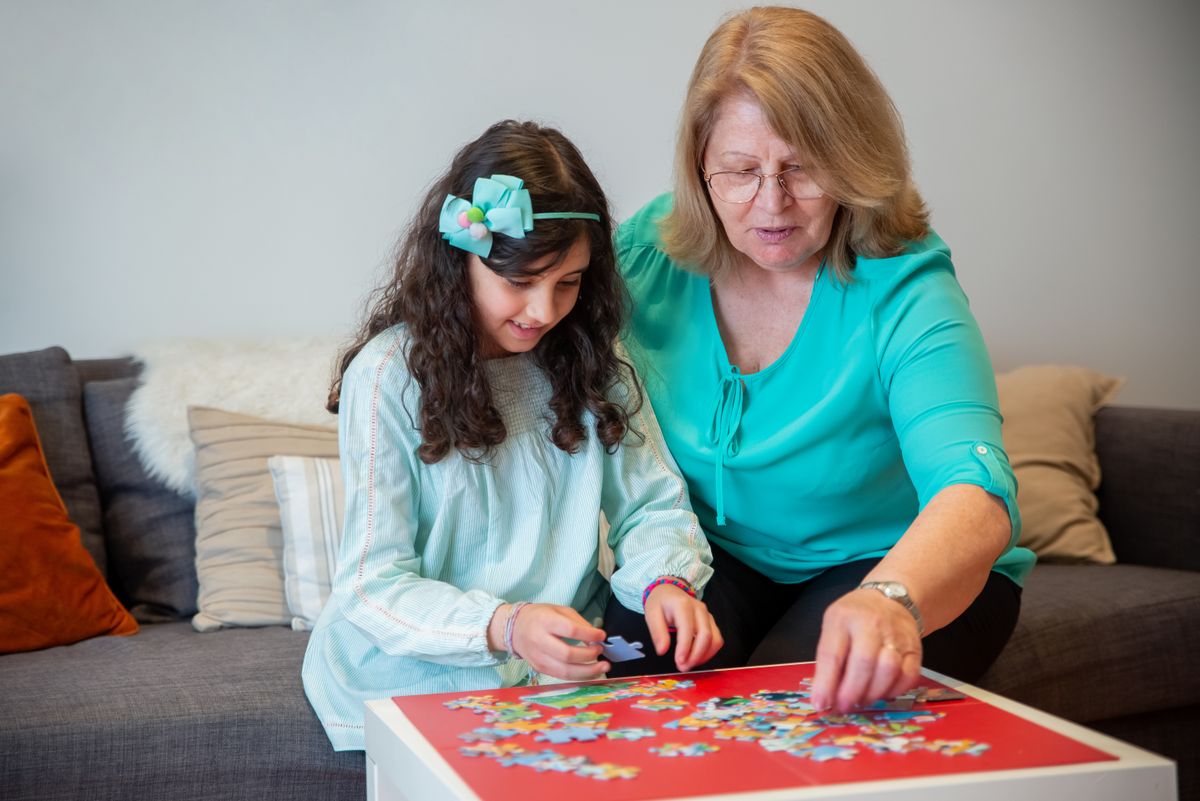
Photo by Kampus Production on Pexels
- Decide whether the Santa Claus sleigh scene should ever come apart.
- Remember that no glue, tape, or stick sheet is listed in the boxes.
- Match any sheet's stated size to 20.5 by 29.6 inches before peeling it.
- Keep front glue thin so thick cardboard is not soaked.
- Follow the adhesive package for dry time, which the listing does not give.
- Keep the 1:1 poster away from wet adhesive.
- Support the snug sheet on a board even if it can be lifted.
Preservation questions with short answers
Which method does the listing recommend?
It recommends none. The stated facts are thick cardboard, non-toxic paint, a snug laser-cut fit, and a finished size. Glue, puzzle tape, and peel-and-stick sheets are outside purchases with their own instructions.
Is the snug fit already a form of preservation?
It is a handling feature. The finished puzzle can be lifted without falling apart, which helps a move onto a board or into a tight frame. It is not a promise against bumps, humidity, or a loose frame over time.
Will tape or sheets hide the numbered backs?
Tape hides the numbers it covers, and a full stick sheet hides the backs across the puzzle. That is fine after the build if nobody will sort again. It fights any plan to reuse the numbers next year.
Can glue and a frame happen on the same afternoon?
Only if the glue's own directions say the face is ready for glass. The listing gives no clock. A safer split is to finish the 1008-piece scene, preserve it flat, and frame the 20.5 by 29.6 inch sheet when the surface will not stick.
Related reading
Quality factors, adult puzzler standards, and unique Christmas gift context all sit beside this preservation choice.
- quality factors in a jigsaw countdown
- standards adult puzzlers use when comparing countdown puzzles
- unique Christmas gifts built around a countdown jigsaw
What to do next
Choose the future of the puzzle before buying adhesive. If it may be rebuilt, keep glue off and prefer a dry frame or flat storage. If it will hang as one sheet, match glue, tape, or peel-and-stick sheets to that goal, follow the package, and still measure 20.5 by 29.6 inches for the frame.
Cover photo by Tara Winstead on Pexels.